
Rapa Nui Advances Community-Led Management of Marine Protected Areas with New Conservation Partnerships
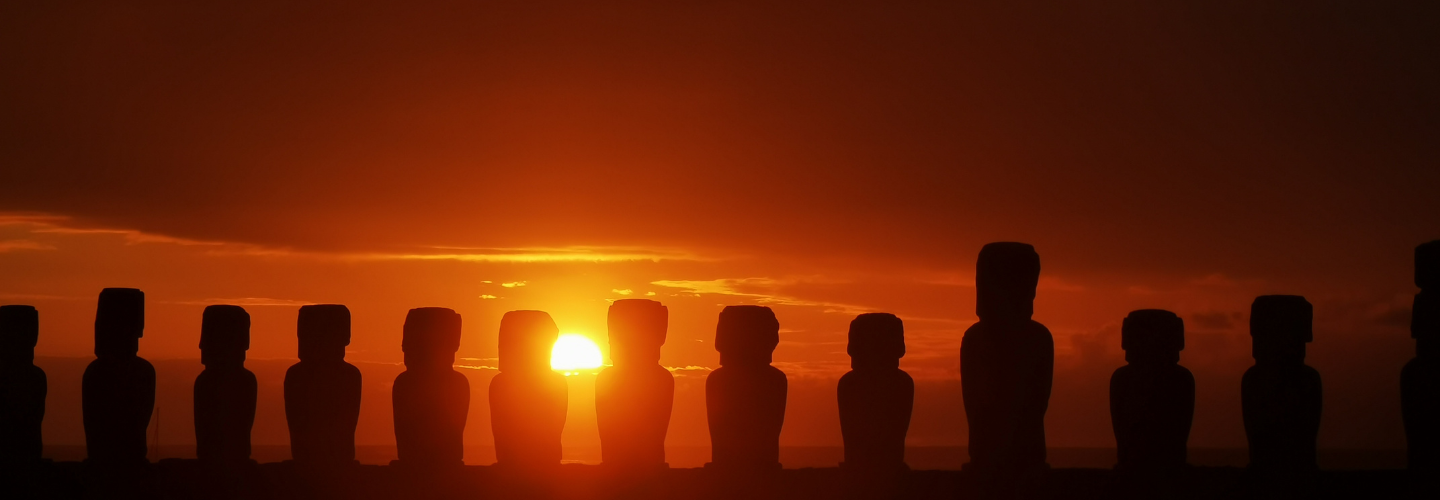
Rapa Nui's iconic Moai statues at sunset. Photo credit: Island Conservation / Jose Luis Cabello
Island Conservation, Blue Nature Alliance, and local leadership partner to protect Rapa Nui’s ecosystems
[Rapa Nui, Chile] [August 4, 2026] — The Local Sea Council of Rapa Nui (Easter Island), a remote Pacific island known for its iconic Moai monoliths, has chosen Island Conservation and Blue Nature Alliance to support the effective management and implementation of Rapa Nui’s marine protected areas (MPAs). This collaboration focuses on strengthening governance, stewardship, effective management and long-term sustainability of these globally significant marine ecosystems, led by the Rapa Nui community.
Led by Island Conservation, Re:wild, and Scripps Institution of Oceanography at UC San Diego, the IOCC advances holistic island-ocean restoration informed by both scientific research and Indigenous knowledge. By restoring these interconnected ecosystems, conservation partners are working to strengthen biodiversity, ocean health, climate resilience, and livelihoods.
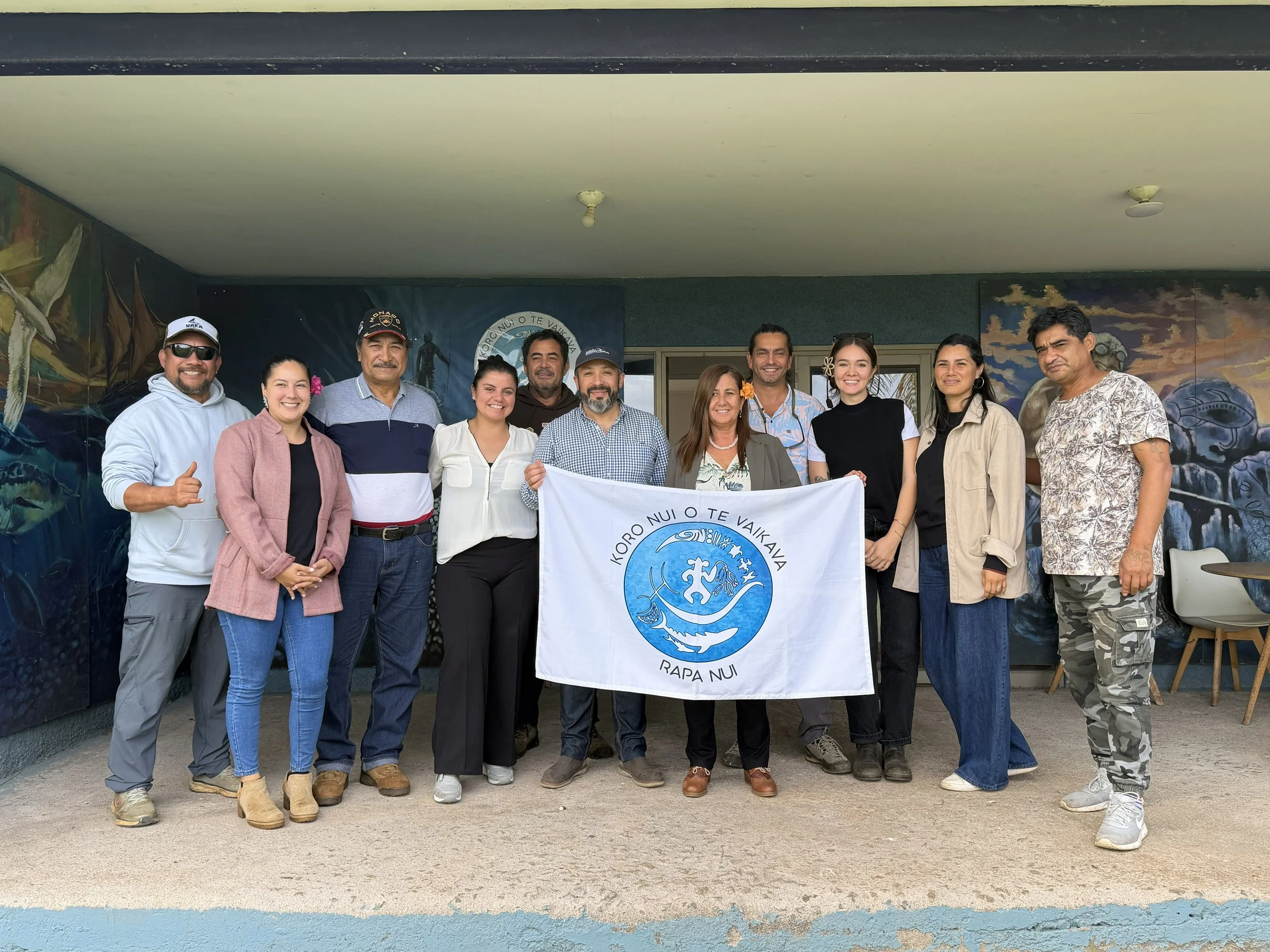
The Koro nui o Te Vaikava Sea Council with Island Conservation's Jose Luis Cabello, Senior Regional Director for Latin America. Photo credit: KNTV Council
Effective Management of Rapa Nui’s MPAs
Spanning an extraordinary 729,368 square kilometers (approximately 281,611 square miles), the Rapa Nui MPAs are some of the largest of their kind in the world. What sets them apart is their governance: the areas are co-managed by a Board of Directors integrated by the government of Chile and members of the democratically elected Rapa Nui Local Sea Council, or Koro Nui o Te Vaikava, composed of Rapa Nui community members. With six Rapa Nui representatives and five government representatives on the Board of Directors, it is one of the first MPAs globally to be co-managed by an indigenous majority.
“This partnership is about ensuring that Rapa Nui’s marine protected areas are not only designated, but also effectively managed and sustained for generations to come,” said Jose Luis Cabello, Island Conservation’s Senior Regional Director of Latin America.
“By supporting Indigenous leadership and strengthening long-term stewardship, we are helping translate protection on paper into real outcomes for people, biodiversity, and ocean health.”
Island Conservation and Blue Nature Alliance are working in partnership with the Rapa Nui Local Sea Council and the Government of Chile to support implementation of the MPAs’ integrated management plan approved in 2025. This objective is being undertaken by working alongside island communities, authorities, and technical partners to advance the conservation journey of these MPAs. By supporting the Board of Directors in governance, natural resource management, environmental education, community outreach, scientific monitoring, and enforcement coordination, the partners will help build the conditions needed to achieve long-term management effectiveness and sustainable stewardship of Rapa Nui.
“Rapa Nui has demonstrated extraordinary leadership by creating one of the world’s largest marine protected areas and placing Indigenous stewardship at the heart of its governance,” said Laure Katz, Executive Director of Blue Nature Alliance.
“We are honored to support the democratically elected Rapa Nui Local Sea Council as they move into the next phase of this journey, turning an ambitious vision into lasting conservation outcomes. Together with Island Conservation and local partners, we look forward to helping strengthen the management, financing, and long-term stewardship needed to ensure these remarkable waters continue to thrive for generations to come.”
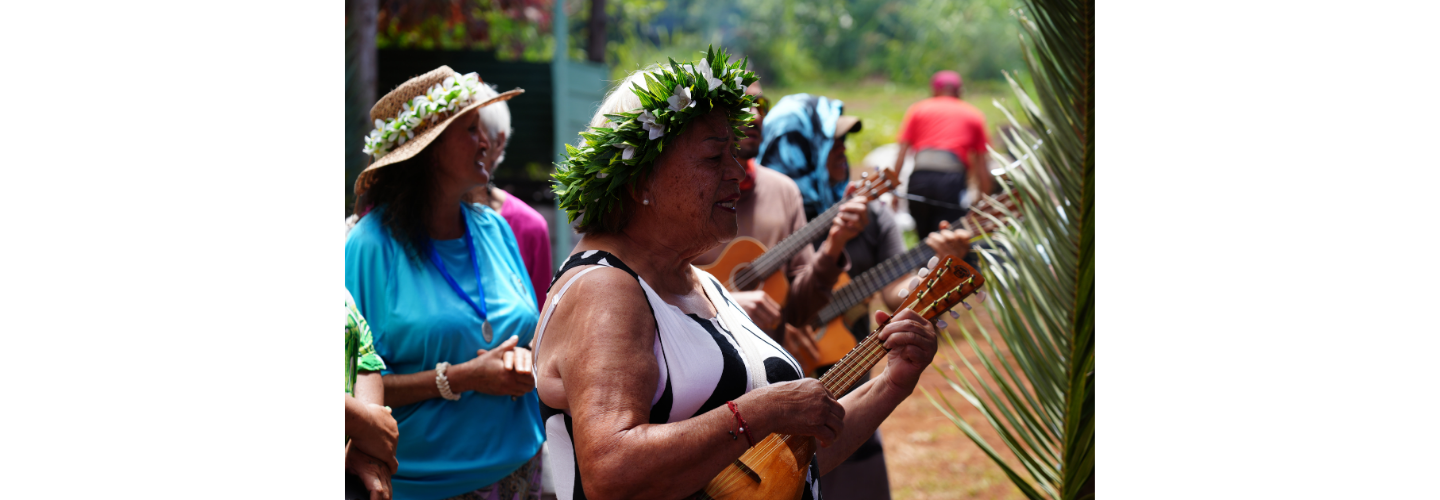
Rapa Nui community member Maria Blanca Teao Hei performs at a celebration for Koro Felipe Nahoe, the president of Koro Nui o Te Vaikava Sea Council. Photo credit: Island Conservation / Jose Luis Cabello
Rapa Nui’s Marine Protected Area, Te Moana Tapu a Hotu Matuʻa, was honored with a 2026 Blue Park Award at the Our Ocean Conference for meeting a rigorous, science‑based global standard for effective ocean conservation. International recognition of this model’s excellence shows that cultural integrity and strong ocean protection can advance together.
Ecological Restoration for Rapa Nui
Complementing this work, Island Conservation is supporting Rapa Nui’s inclusion in the Island-Ocean Connection Challenge (IOCC), placing local leadership and traditional knowledge at the heart of ocean management. The IOCC—led by Island Conservation, Re:wild, and Scripps Institution of Oceanography—aims to restore and rewild 40 globally significant island-ocean ecosystems from ridge to reef by 2030.
As a new IOCC site, Rapa Nui joins a global collective advancing holistic restoration informed by both western scientific research and Indigenous knowledge. These efforts strengthen biodiversity, ocean health, climate resilience, and local livelihoods, demonstrating how island-ocean restoration is among the most effective nature-based solutions available today for our planet’s health.
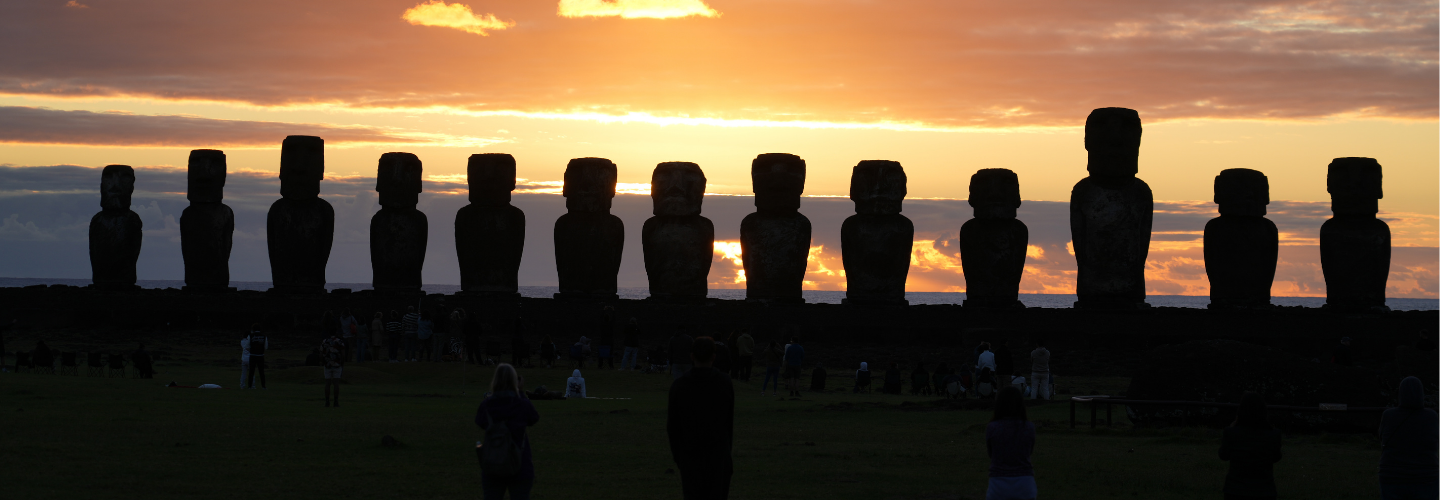
Silhouettes of Rapa Nui's iconic Moai statues. Photo credit: Island Conservation / Jose Luis Cabello
This collaboration reflects a growing recognition of the deep interdependence between ocean health, island ecosystems, and the communities that steward them. Scientific evidence increasingly shows that nutrient transfer from islands is essential to marine biodiversity and health. By supporting islanders as they lead MPA management and connecting Rapa Nui to a global network of restoration practitioners, this initiative sets a new standard for conservation policy and cross-cultural collaboration.
“We know that marine conservation is not isolated,” said Sebastian Yancovic Pakarati, a Rapa Nui community member, natural heritage expert, ornithologist, researcher, and Director of Manu Project.
“We are very happy to begin this joint journey to restore our territory and allow emblematic species to return to the island.”
Rapa Nui’s leadership underscores how Indigenous governance, western science, and global collaboration are converging into a unified approach to climate action—one that begins on islands and radiates outward across the world’s oceans.
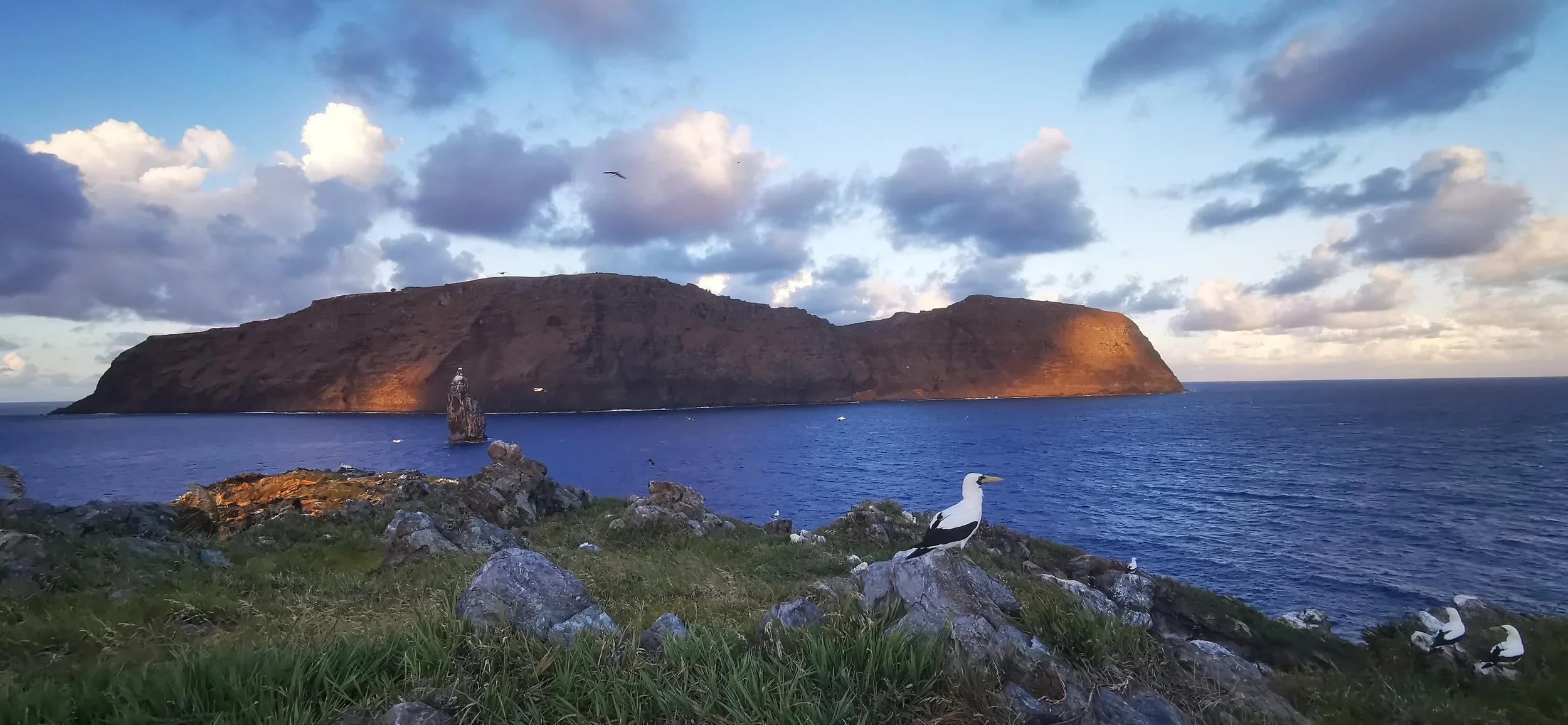
Rapa Nui's mountainous contour. Photo credit: Island Conservation / Jose Luis Cabello
Media Assets
Photos available here: https://drive.google.com/drive/folders/1Z7iYqJGO4Ow23habUFuWMCFcToxE-h5X?usp=sharing
Interviews available upon request.
Media Contacts
Island Conservation
Sally Esposito, Senior Communications Director
sally.esposito@islandconservation.org
About the Partners
Island Conservation’s mission is to restore islands for nature and people worldwide. We are a United States–based 501(c)(3) charitable organization with a globally distributed team—often made up of local islanders who bring deep knowledge and connection to the places where we work. Together, we collaborate with local communities, government management agencies, and conservation organizations to holistically restore islands by bringing back biodiversity, the foundation of all healthy ecosystems. We do this by removing a primary threat (introduced, damaging invasive species) and accelerating the return of native plants and animals. We utilize innovative technology and techniques to work more efficiently and showcase the many benefits of holistically restored islands for biodiversity, climate resilience, ocean health, and sustainable development across the globe.
The Blue Nature Alliance is a collaboration led by Conservation International, The Pew Charitable Trusts, the Global Environment Facility, Minderoo Foundation, and the Rob Walton Foundation to catalyze the protection of 18 million square kilometers, or 5%, of the global ocean. To deliver durable impact at a planetary scale and accelerated pace, the Alliance provides a combination of flexible financial resources, technical expertise, and thought partnership to a diverse and ever-growing network of over 100 partners worldwide. Learn more at bluenaturealliance.org.
