
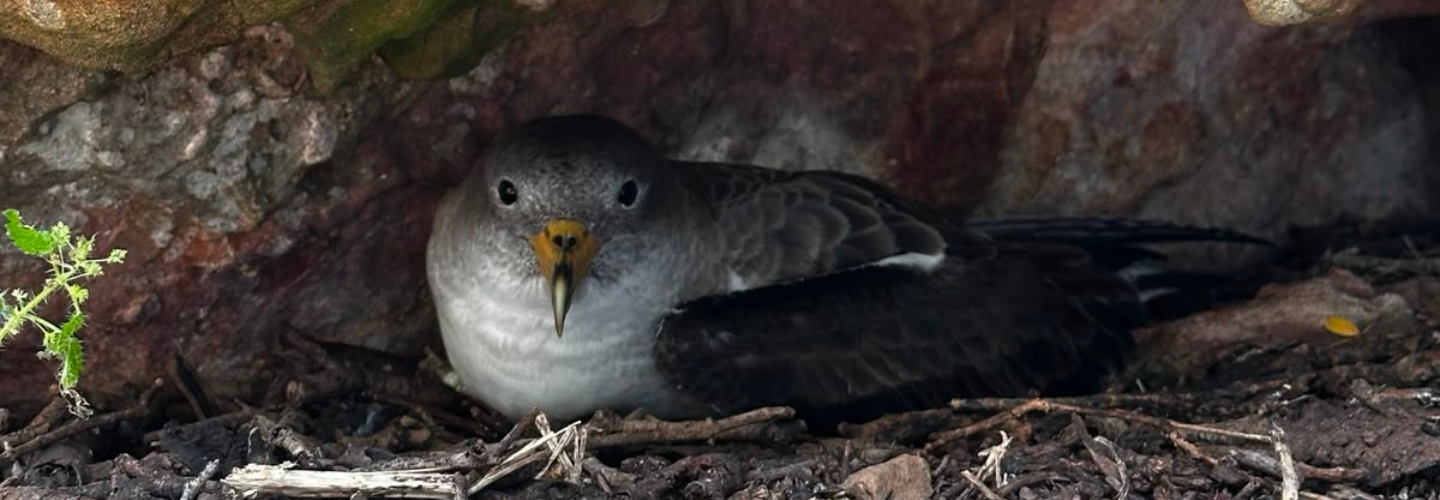
Restoring the world's most important breeding site for Scopoli's Shearwater
Zembra Island, Tunisia
THE PROJECT: Zembra Island Restoration Project
LOCATION: Zembra Island, Cap Bon, Nabeul Governatorate, Tunisia
THE WORK: The project will restore one of the Mediterranean's most important island ecosystems by removing invasive alien species that threaten native biodiversity. The primary targets are: domestic and feral cats (Felis catus), Black Rat (Rattus rattus), House Mouse (Mus musculus), Wild Rabbit (Oryctolagus cuniculus) and the invasive cactus Opuntia stricta, together with other invasive plants affecting native habitats.
The intervention is expected to increase the breeding success of Scopoli's Shearwater, while promoting the recovery of native vegetation, reducing soil degradation and restoring ecological processes that have been altered. The project will also aim to improve waste management on the island and establish a long-term biosecurity framework to prevent future reinvasions and strengthen conservation gains.
Furthermore, the project also aims to involve local communities in the coastal area near Zembra, with a double focus: on improving the waste management, aimed to marine litter mitigation, and on supporting local fishermen in reducing bycatch and monitoring fishstock and seabirds.
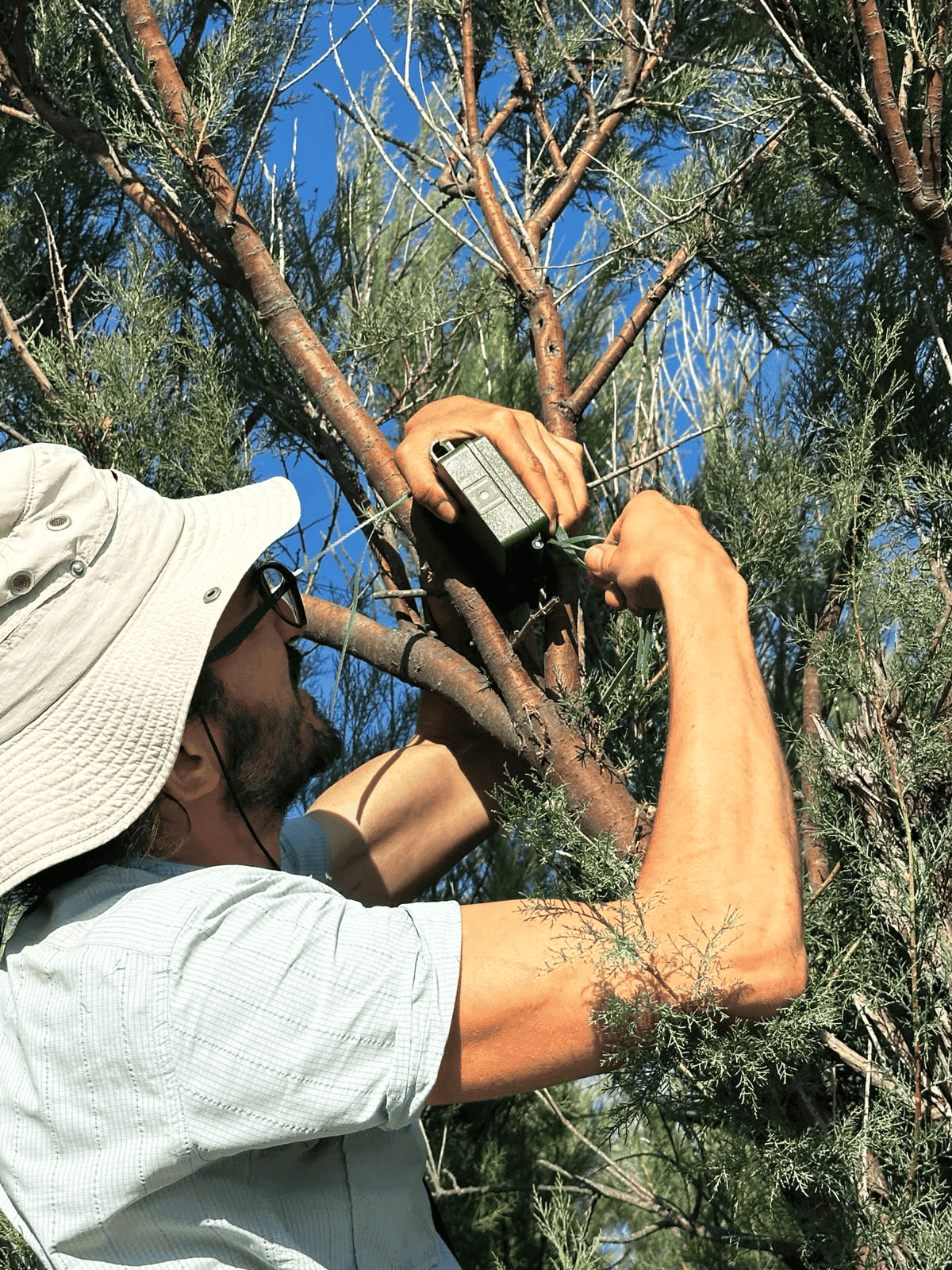
COMMUNITY: Implemented in collaboration with Tunisian conservation authorities, local stakeholders and scientific institutions, the project will strengthen local conservation capacity through monitoring activities, biosecurity measures and ecosystem management. The initiative will contribute to the sustainable management objectives of the Zembra and Zembretta National Park and Biosphere Reserve and to the community engagement of people residing in the coastal area.
About Zembra Island
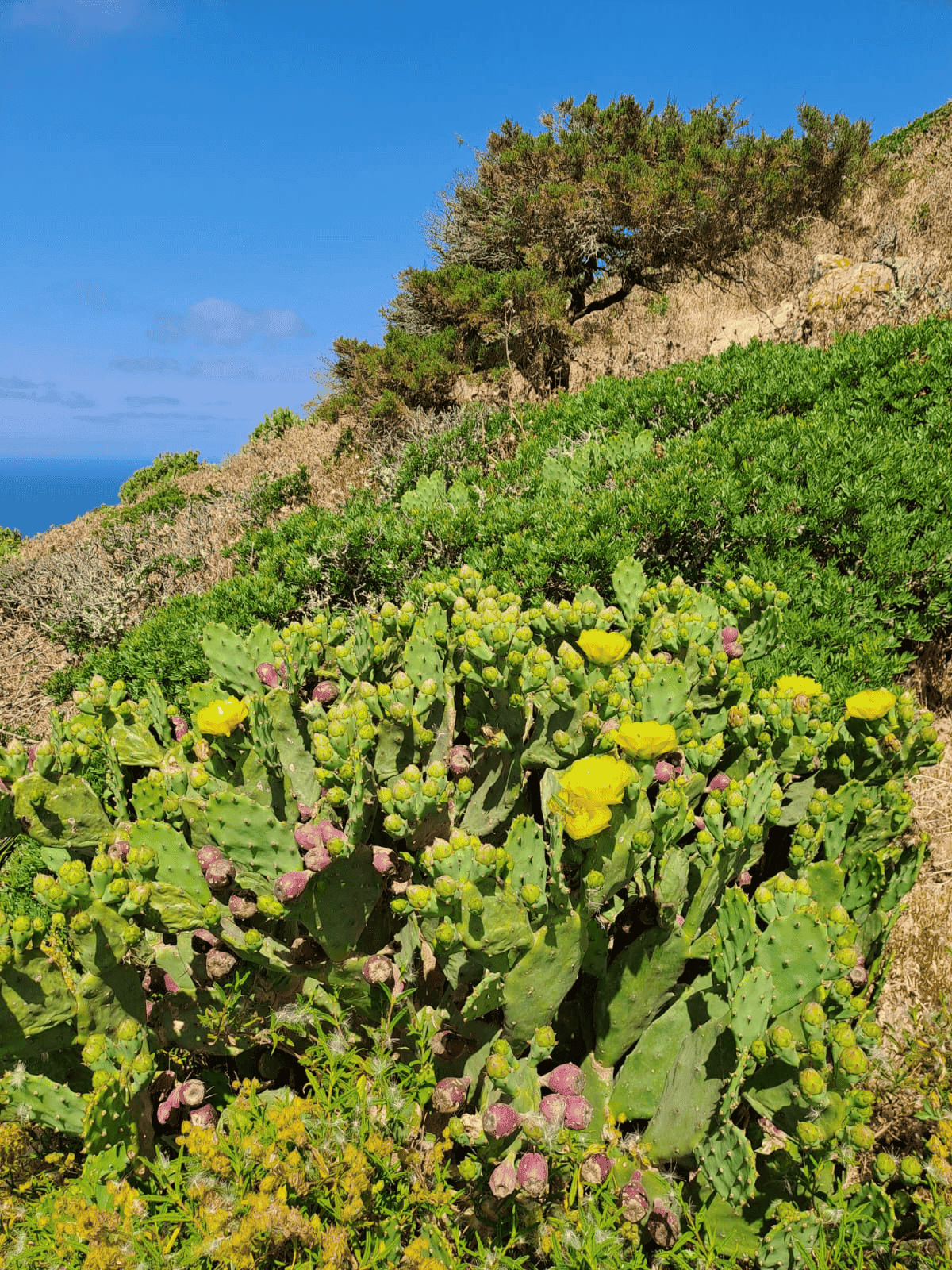
Located in the Gulf of Tunis, Zembra is a UNESCO Biosphere Reserve, a Mediterranean Specially Protected Area of Mediterranean Importance (SPAMI) and it is part of the Zembra and Zembretta National Park. It is one of the most valuable biodiversity hotspots in North Africa.
It hosts the largest seabird colony in the Mediterranean area, and notably the largest breeding colony of Scopoli's Shearwater (Calonectris diomedea) at global level—an estimated 70–80% of the world population of this Mediterranean endemic seabird. The island also supports unique Mediterranean shrubland habitats, rare plant communities and numerous species of conservation concern, making it one of the most important island ecosystems in the entire Mediterranean Basin.
By removing invasive mammals and plants, the project will directly address the main threats affecting breeding seabirds and native ecosystems. Shearwater chicks and eggs will be protected from predation, native vegetation will recover from the pressure of invasive plant competition, and ecological interactions between terrestrial and marine ecosystems will be restored. The intervention is expected to generate long-term biodiversity benefits at both species and ecosystem levels.
Voices from the field

"Zembra hosts an extraordinary natural heritage of global importance. Protecting the world's largest colony of Scopoli's Shearwater means safeguarding the future of an entire species and restoring ecological processes that have shaped this island for millennia."
— Aymen Nefla (ASPEN Cap-Bon), scientific coordinator of the Association pour la Sauvegarde du Patrimonie Ecologique et Naturel de Cap Bon
Project Partners & Funders
• Ministry of Environment, Directorate General for the Environment and Quality of Life (DGEQV)
• Coastal Protection and Development Agency (APAL)
• Ministry of Agriculture, Water Resources and Maritime Fisheries, Directorate General of Forests
• Istituto Oikos ETS
• Association for the Safeguarding of the Ecological and Natural Heritage of Cap Bon (ASPEN)
• National Agronomic Institute of Tunisia (INAT), Ecosystems and Aquatic Resources Research Laboratory
• Nemo