
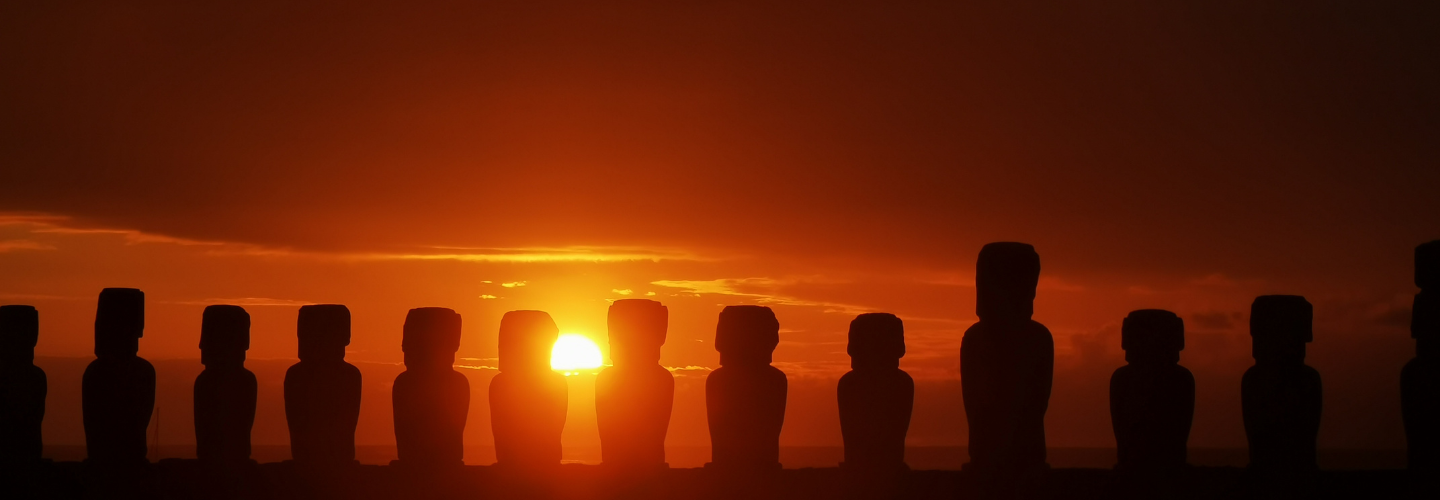
Rapa Nui (Easter Island), Chile
Advancing Islander-led conservation to connect land and sea
LOCATION: Rapa Nui, Chile
THE WORK: Rapa Nui is working to restore ecosystems, protect endangered marine species, and build long‑term resilience through a model that centers Indigenous leadership and traditional knowledge.
The Koro nui o Te Vaikava Sea Council will co-implement the Rapa Nui Multiple‑Use Marine Protected Area (MPA), one of the world’s largest Indigenous‑governed reserves, with Island Conservation and Blue Nature Alliance. Together, the partners are advancing an integrated island‑to‑ocean conservation strategy that strengthens governance, natural resource management, environmental education, scientific monitoring, and enforcement coordination.
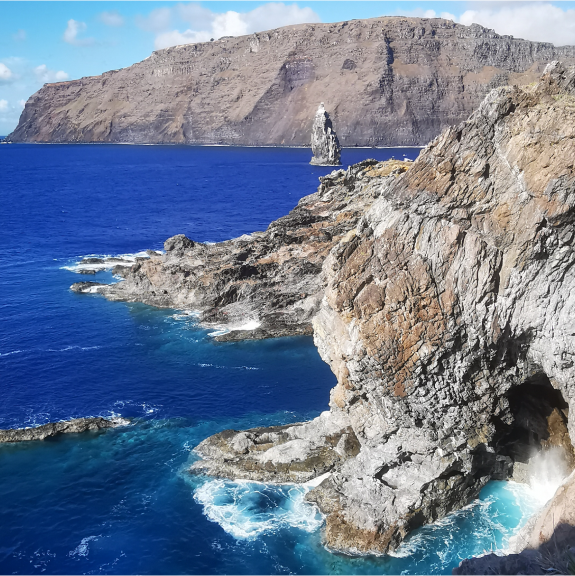
About Rapa Nui Island
Rapa Nui, one of the most isolated inhabited islands on the planet, is a place where culture, identity, and ecology are inseparable. The island is now at the forefront of a global shift toward Indigenous‑led ocean stewardship. The island’s 720,000‑square‑kilometer Multiple‑Use Marine Protected Area is among the largest in the world, but what truly sets it apart is its governance: the reserve is administered by the democratically elected Koro Nui o Te Vaikava Sea Council, composed entirely of Rapa Nui community members.
This makes it one of the first MPAs globally to be managed by an Indigenous majority, reflecting a profound commitment to self‑determination and cultural continuity in conservation.
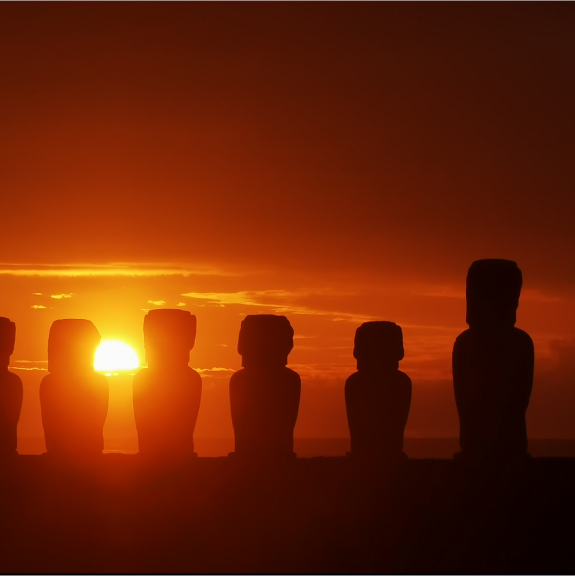
Rapa Nui’s ecosystems are shaped by this deep relationship between people and place. The island’s soils rely on seabird guano to enrich the land, while the surrounding ocean depends on island‑derived nutrients to support marine life. This interdependence mirrors the cultural worldview of the island’s people, who have long understood that caring for the land and caring for the ocean are part of the same responsibility.
A voice from the community
“We know that marine conservation is not isolated. We are very happy to begin this joint journey to restore our territory and allow emblematic species to return to the island.”
— Sebastian Yancovic Pakarati, a Rapa Nui community member, natural heritage expert, ornithologist, researcher, and Director of Manu Project
Project Partners & Funders
• Koro nui o Te Vaikava Sea Council of Rapa Nui
• Island Conservation